-1.png?w=1976&h=824)
Advancing the Future of Electronics: HDI PCBs and the Miniaturization Revolution
There is a growing demand for smaller, more powerful electronic device. Central to this evolution is the advancement of High-Density Interconnect (HDI) Printed Circuit Boards (PCBs). These sophisticated boards are pivotal in enabling the miniaturization of electronics without compromising performance.
What Are HDI PCBs?
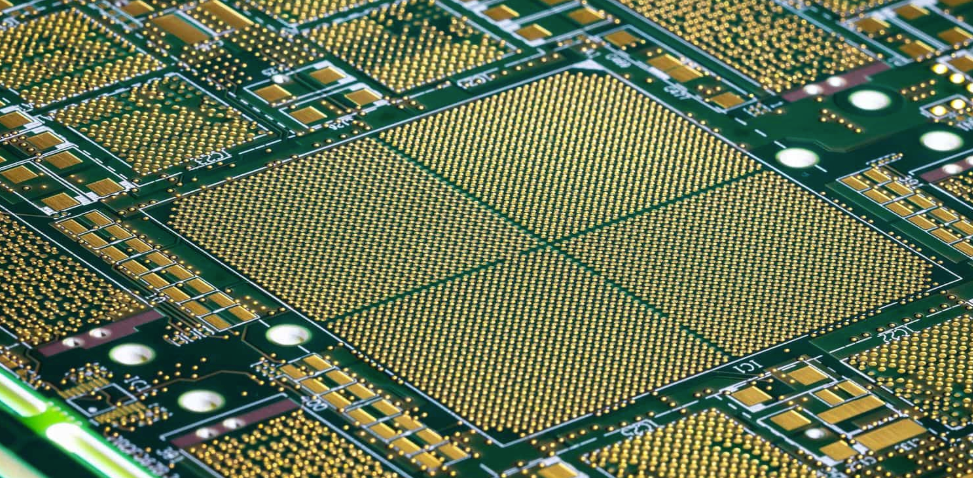
HDI PCBs are characterized by their high wiring density, achieved through:
- Microvias: Small-diameter vias that allow for finer routing.
- Blind and Buried Vias: Vias that connect layers without penetrating the entire board.
- Fine Line Widths and Spacing: Enables closer component placement.
- Multiple Layers: Facilitates complex interconnections in compact spaces.
These features make HDI PCBs ideal for applications where space and performance are critical.
The Role of HDI in Miniaturization
The push towards miniaturization is driven by several factors:
- Consumer Demand: There's a growing preference for sleek, lightweight devices.
- Technological Advancements: Innovations in materials and design tools allow for more compact designs.
- Performance Requirements: High-speed data transmission and low power consumption are essential in modern electronics.
HDI PCBs support these needs by enabling higher component densities and reducing signal loss, which is crucial for high-frequency applications.
Market Trends in 2025
Recent market analyses highlight the significant growth of the HDI PCB market:
- Market Size and Growth: The global HDI PCB market is projected to reach $22.26 billion by 2025, growing at a CAGR of 11.1% from 2018 to 2025 .
- End-Use Applications: The smartphone and tablet segment continues to lead in revenue, driven by the demand for compact, high-performance devices.
- Technological Advancements: The integration of HDI PCBs in 5G infrastructure and IoT devices is expanding, necessitating boards that support high-speed data transmission and compact designs.
Applications Driving HDI Adoption
Several industries are increasingly adopting HDI PCBs:
- Consumer Electronics: Smartphones, tablets, and wearables benefit from the compactness and performance of HDI PCBs.
- Automotive: Advanced Driver-Assistance Systems (ADAS) and infotainment systems require high-density interconnections for reliable performance.
- Medical Devices: Implantable devices and diagnostic equipment demand miniaturized, high-performance PCBs.
- Telecommunications: 5G infrastructure relies on HDI PCBs to handle high-frequency signals and compact designs.
Challenges and Considerations
While HDI PCBs offer numerous advantages, there are challenges to consider:
- Manufacturing Complexity: The intricate design and fabrication processes can increase production costs.
- Thermal Management: Higher component densities can lead to heat dissipation issues.
- Design Constraints: The need for precise design rules and advanced tools can pose challenges for engineers.
Looking Ahead
The trend towards miniaturization is set to continue, with HDI PCBs playing a crucial role in this evolution. As technologies advance and manufacturing processes improve, the adoption of HDI PCBs is expected to rise, enabling the development of even more compact and powerful electronic devices.
Related Links:
https://blindburiedcircuits.com/advancements-in-miniaturization-for-hdi-pcb-technology-an-advancement-into-tomorrow/
https://www.tapscape.com/designing-high-density-interconnect-hdi-printed-circuit-boards-pcbs-challenges-and-benefits/
https://www.imarcgroup.com/high-density-interconnect-pcb-market
https://ipcb.eu/market-size-and-opportunities-of-hdi-pcb-in-2025
https://www.prnewswire.com/news-releases/hdi-pcb-market-to-reach-22-26-bn-globally-by-2025-at-11-1-cagr-says-allied-market-research-883212681.html
https://hdipcb.org/hdi-printed-circuit-board/
https://hilelectronic.com/hdi-pcbs/