-1.png?w=1976&h=824)
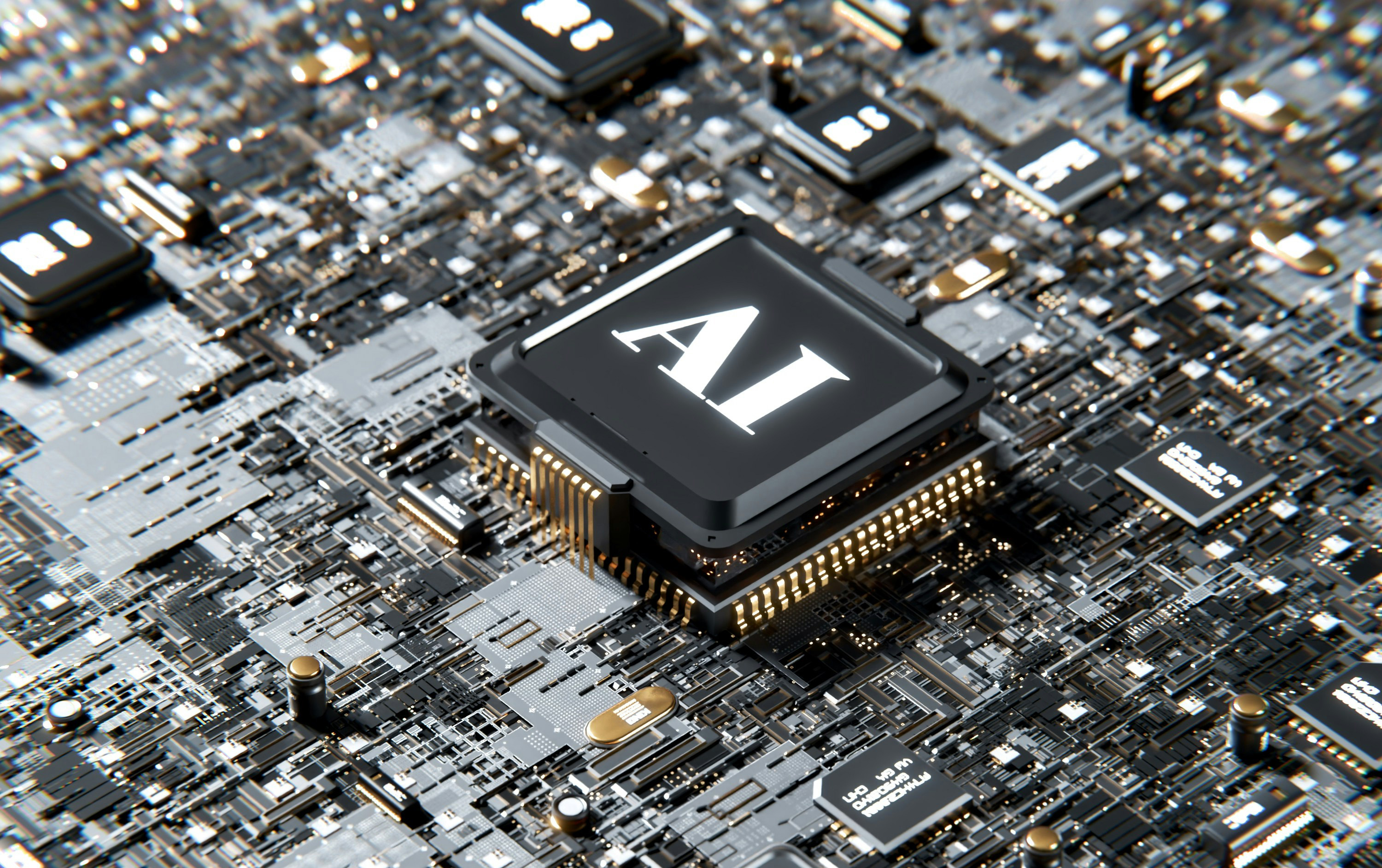
Key Trends Shaping the Future of PCB Assembly in 2025: Innovation, Sustainability, and Automation
As of March 24, 2025, the printed circuit board (PCB) assembly industry has experienced significant developments, driven by technological advancements and evolving market demands. Key trends shaping the industry include the integration of artificial intelligence (AI), the rise of flexible and rigid-flex PCBs, the adoption of advanced materials, a focus on sustainability, and increased automation in manufacturing processes.
Integration of Artificial Intelligence (AI)
The surge in AI applications has created a massive demand for computing power, influencing PCB design and assembly. Companies are exploring ways to tap into idle GPUs in existing servers to meet this demand. This trend underscores the importance of high-performance PCBs capable of supporting AI workloads.
Rise of Flexible and Rigid-Flex PCBs
Flexible and rigid-flex PCBs are gaining prominence due to their adaptability and space-saving features. In wearable devices, such as smartwatches and fitness trackers, these PCBs conform to ergonomic designs, enhancing user comfort. The automotive industry also benefits from flexible PCBs in sensors and infotainment systems, where design flexibility in confined spaces is crucial.
Adoption of Advanced Materials
To meet the demands of high-speed communication, especially with the global rollout of 5G technology, manufacturers are adopting advanced materials like PTFE (polytetrafluoroethylene) and other low-loss laminates. These materials maintain signal integrity by reducing loss and minimizing interference. Additionally, the use of ceramic PCBs is increasing in high-power applications due to their superior thermal conductivity, essential for efficient heat dissipation in high-performance devices.
Focus on Sustainability
Environmental concerns are prompting the PCB industry to adopt sustainable practices. The transition to lead-free soldering and the use of halogen-free and low-VOC materials are reducing the environmental footprint of PCB manufacturing. Efforts are also underway to improve the recycling of valuable materials, such as gold, silver, and copper, from used PCBs, addressing electronic waste challenges.
Increased Automation and AI in Manufacturing
To meet the growing demand for faster production times and higer-quality PCBs, automation and AI are becoming integral to manufacturing processes. Advanced robotics and automated assembly systems streamline production, reduce labour costs, and increase precision. AI-powered design and testing optimize PCB designs and ensure quality standards, minimizing manual inspection and rework.
Market Outlook
The global PCB market is experiencing robust growth, with companies like Dixon Technologies reporting significant revenue increases. The third quarter of its fiscal year saw a 117% year-over-year revenue growth, reaching INR10,453 crore ($1.2 billion). This growth is driven by the rising demand for electronics across various sectors, including consumer electronics, automotive, and telecommunications.
In conclusion, the PCB assembly industry in 2025 is characterized by technological innovation, sustainability efforts, and a focus on meeting the evolving demands of modern electronics. As AI, flexible designs, advanced materials, and automation continue to shape the industry, stakeholders must adapt to these trends to remain competitive and responsive to market needs.
Related Links:
https://www.attitudeshayarii.net/upcoming-trends-in-printed-circuit-board-technology/
https://pcbupdate.com/pnews.com